Practice Math Facts with Time4MathFacts!
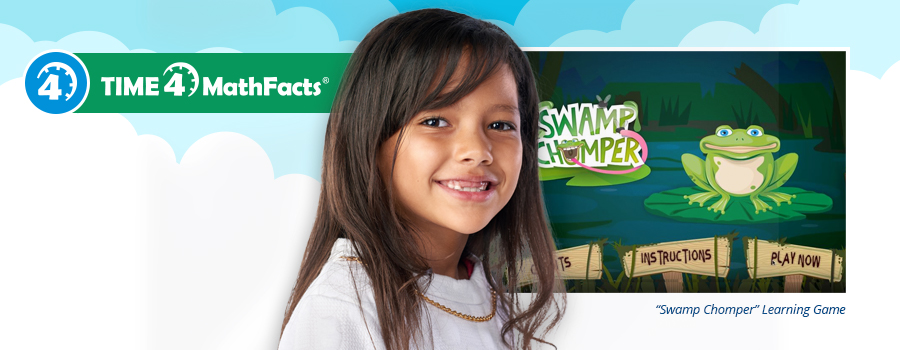
As a parent, you understand the importance of building a strong educational foundation for your children that will allow them to grow and prosper with their future endeavors. A key factor when building this foundation, especially in math, is mastering math facts. Learning math facts doesn’t have to be tedious; Time4MathFacts makes it fun with engaging games and motivating rewards. This encourages students to practice more, which leads to greater math fluency.
Why is Math Fact Fluency Important?
Mastering math facts in early elementary years is crucial as these are the building blocks for advanced math concepts in the future. Without crucial math fact fluency, a student has to work much harder on simple calculations, leaving them frustrated and with less time to learn new concepts. As a result, learning new skills becomes difficult and often leads to a dislike of the entire subject of math.
Because mastery of math facts is essential to your student’s education, we decided to add Time4MathFacts to our curriculum. Time4MathFacts is a fun and effective way for students to practice the basic math operations of addition, subtraction, multiplication and division. The individualized, online program helps build a strong math foundation using a game-based approach that adapts to each student’s needs.
How Can Time4Math Facts Help?
Time4MathFacts helps students practice math facts and build confidence in addition, subtraction, multiplication and division. Using an adaptive, individualized approach, Time4MathFacts allows students to work at the level that is right for them. As they learn math facts, the program adapts accordingly based on what they have already mastered.
Students are first assessed and then provided differentiated instruction. There are numerous engaging games to choose from, and each one is tailored to a child’s unique ability level. The game-based, fast-paced approach makes learning math facts fun! And the longer your kids are engaged and practicing their math, the stronger their math skills will become.
Each game also allows students the opportunity to earn rewards. The faster they respond and the more correct questions they answer, the more tokens they will receive. This reward system motivates students to keep going and makes them excited about practicing their math facts. They can then spend their earnings on items to customize their very own avatar.
Time4MathFacts can be used for homeschooling, afterschool enrichment, and summer study. It is best suited for students in second through fourth grade, and can also benefit those in grades 5+ who need to practice their math facts.
Recommended assignment per grade level:
| Students in Grade 2-3 | Addition/Subtraction |
| Students in Grade 3-4 | Multiplication/Division |
| Students in Grade 5+ | Math Fact Reinforcement |
How to Get Started With Time4MathFacts
We believe that mastering math facts is a crucial skill and shouldn’t break the bank. That’s why Time4MathFacts is included in your Time4Learning membership at no additional charge! Time4MathFacts is automatically available to accounts with 2nd and 3rd grade students, however parents can add this valuable resource to students in any grade level through the “Manage Students” feature on the Parent Dashboard.
Parents also have access to detailed reporting that make it easy to monitor your child’s progress. Reports include information on usage, facts gained, growth charts, and more.
Just like Time4Learning, Time4MathFacts works best on a laptop or desktop computer. It’s best to make sure you are using the latest version of your preferred web browser.

Get Access To Time4MathFacts!
If you are not a Time4Learning member and are just looking for a math facts program, you can purchase Time4MathFacts as a stand alone product.